
How Lynwood People Searches Begin
People leave different trails. A known name can be checked against Los Angeles Superior Court party indexes, California license profiles, business filings, and city staff listings. An address calls for a different path. The county assessor can supply the parcel identifier and map context, while Lynwood Building & Safety may hold permit and inspection activity. Family history usually moves through death indexes, probate cases, obituaries, and older directories. No single search covers all of these sources.
Start narrow. Write down the full name, spelling variants, middle initial, likely date range, and any address or business name. Compound and Spanish surnames may appear with different spacing, accents, hyphens, or surname order. Test one change at a time so a useful match is not lost in a long result set. Then compare dates and places across two official records before treating two entries as the same person.
- Choose the strongest known fact: a name, Lynwood address, business, license, court matter, or family event.
- Search the agency that keeps that fact and record the exact spelling, date, file number, and location returned.
- Use the new identifier in the next record system, such as an address to parcel number or a case name to docket.
- Move to an office, mail request, or archive when the online years stop short.
- Confirm the match with the custodian before relying on it.
Note: Voter and certified vital records have access rules and should not be treated as open name directories.
Lynwood Records Custodians
Lynwood is a city, but Los Angeles County keeps most of the records that can identify residents. The Registrar-Recorder/County Clerk holds recorded real-estate documents, county vital records, marriage files, fictitious business names, and election material. The Assessor organizes parcels by address and Assessor Identification Number, or AIN. City Hall keeps Lynwood council, administrative, permit, and local public records. The court is a separate branch with its own search and copy rules.
LA County Registrar-Recorder
Norwalk Headquarters
Los Angeles County, CA
Viewing by appointment
Real Estate Records
LA County Assessor
Los Angeles County
Public Portal
213-974-3211
Assessor Public Portal
The Lynwood City Clerk accepts a city public-record request by email at PRA@lynwoodca.gov. The local form says copies cost $0.10 per sheet and gives the standard 10-day determination period, with a possible 14-day extension in specified cases. County land, court, and vital files still go to their own custodians. Detailed access and request rules are collected in the Lynwood public records search.
Why Lynwood Deeds Stay Offline
One common shortcut does not exist here. Los Angeles County does not publish its real-estate records or alphabetical name indexes on the internet. The county cites the difficulty of screening protected home addresses before web publication. That means a Lynwood deed search cannot begin with a public online grantor-grantee box. A grantor transfers an interest; a grantee receives it.
The official index is arranged by name and recording year. Records from 1851 through 1957 are reviewed on the lower level at Norwalk headquarters, while records from 1958 forward are handled on the second floor. An appointment lets a researcher inspect the index and records. The county will not perform index searches by telephone. Copies can also be ordered online, by mail, or by fax when enough document or name-and-year detail is known.
The county recorder viewing page shows the Lynwood search limitation and explains the in-office route.
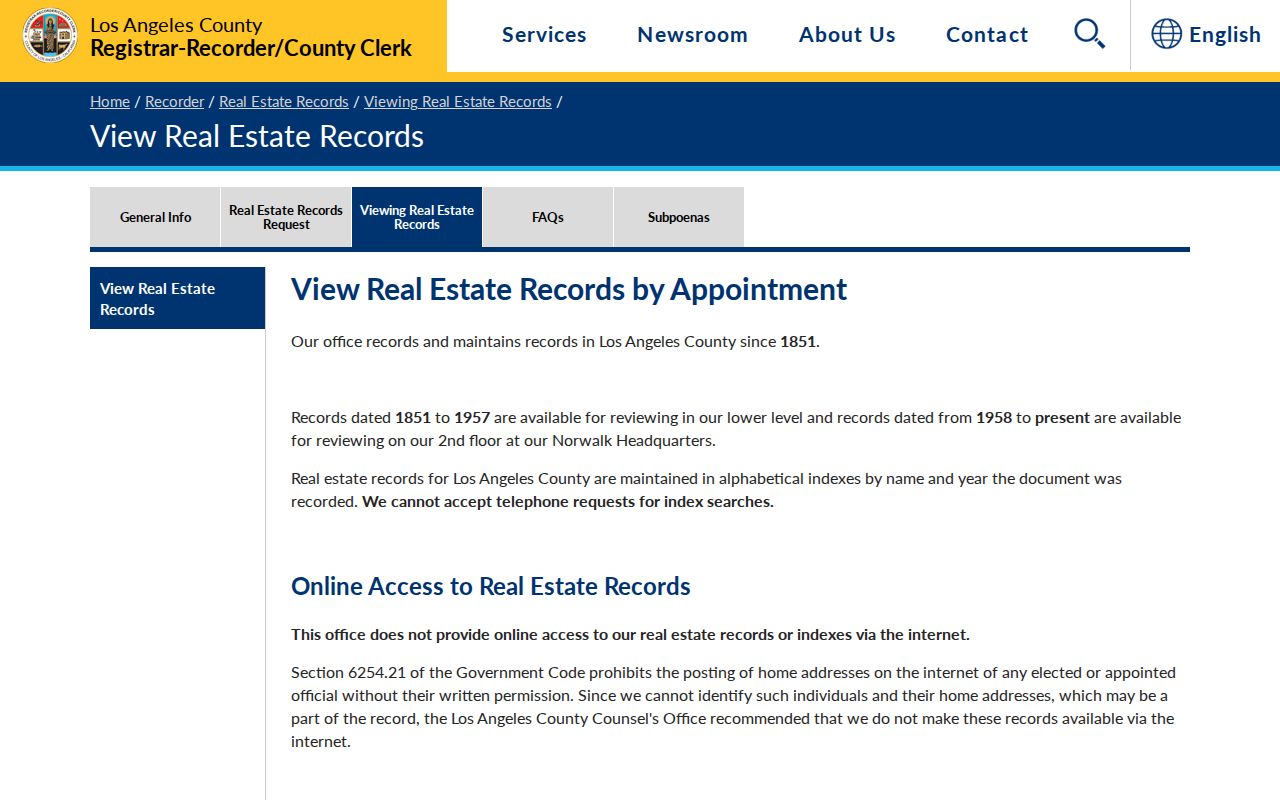
The screen confirms why parcel research and a clear year range save time before a Norwalk visit.
Lynwood Address Search Routes
An old Lynwood address can be more useful than a common name. Enter the address in the Assessor Portal to find its AIN, map location, and legal context. The AIN is the county parcel key, typically organized as mapbook, page, and parcel. It can bridge modern map data to deed and assessment files. Do not assume the web portal offers an owner-name search; official static material verifies address and AIN searching, not a public owner-name field.
Three address terms help prevent mistakes. A situs address is the physical site. A mailing address is where notices go and may be different. A legal description identifies land through tract, lot, block, or other survey terms. For a Lynwood property, use the city boundary and parcel layers before sending a local request because a postal label does not always prove city jurisdiction.
- Street address: use Assessor basic search to confirm the parcel and obtain its AIN.
- AIN: move to legal or map search for the description needed to prepare a deed request.
- Project address: check the Lynwood permit map for local permit and inspection activity.
- Historic address: use a reverse directory to name an occupant, then continue in deeds or newspapers.
The LA County Assessor search used for Lynwood addresses presents Basic, Legal, and Map Search routes.
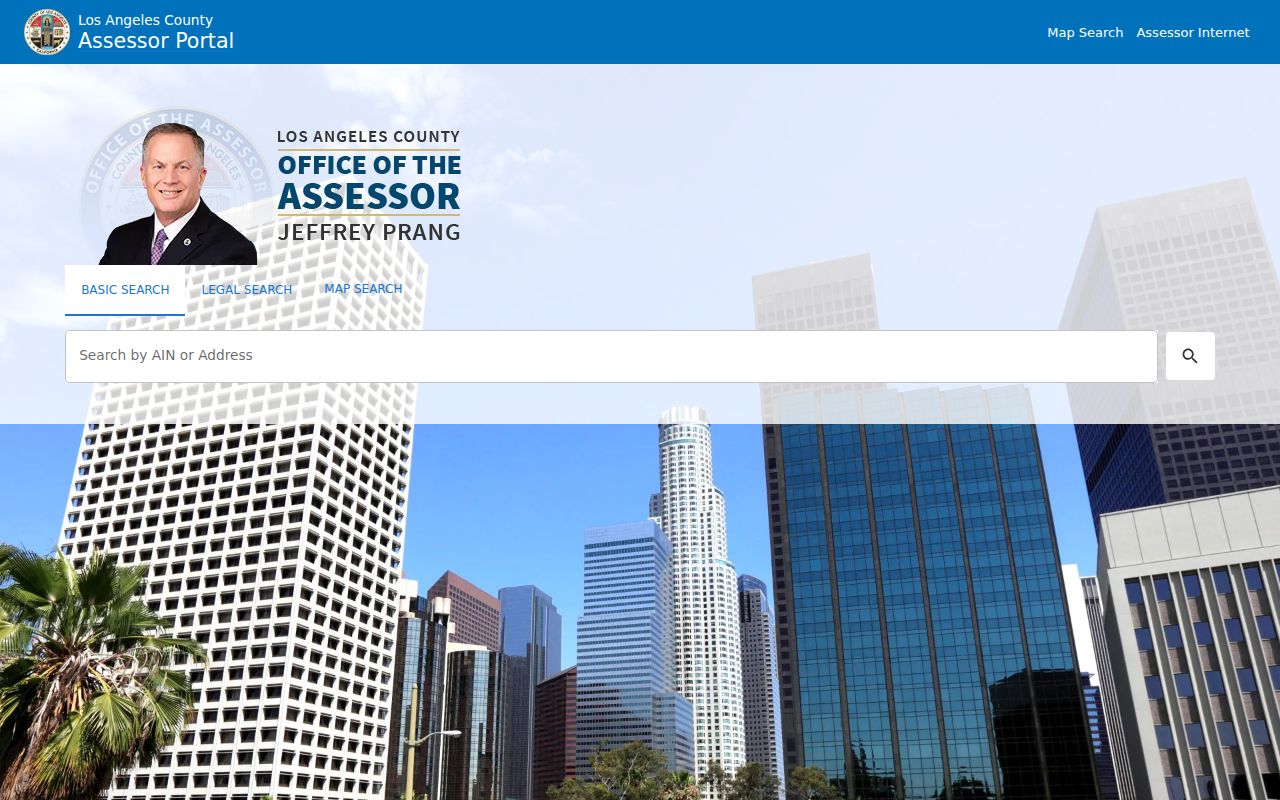
This portal supplies the parcel facts needed to make an offline recorder search far more precise.
Note: Lynwood permit records can add applicants, contractors, project descriptions, and inspection results when those fields are disclosed.
Lynwood Court Records by Name
Lynwood does not have a separate municipal court index. The Superior Court of California, County of Los Angeles splits its online name tools by case type. Civil, family, probate, and small-claims matters use one party-name service. Criminal matters use a defendant-name service, while traffic and infractions follow other court tools. Both online name searches charge a fee, even when no match appears.
The civil service reports litigant names, case type, filing date, filing location, and the number of imaged documents. Unlimited civil, probate, and family coverage begins in 1983; limited civil begins in 1991; small claims begins in 1992. Older files require Archives. Criminal name results show a case number, defendant, filing date, and filing location. Felony coverage begins in 1980 and misdemeanor coverage in 1988, with some older automated municipal material.
| Lynwood court search | Online years | Result clues | Fallback |
|---|---|---|---|
| Civil, probate, family | 1983 to present | Name, type, date, location, image count | Court Archives |
| Limited civil | 1991 to present | Party and filing data | Court Archives |
| Small claims | 1992 to present | Party and filing data | Court Archives |
| Criminal | Felony 1980; misdemeanor 1988 | Case number, name, date, location | Archives or clerk |
The civil name-search screen for Lynwood records sets out its coverage and paid-access terms.
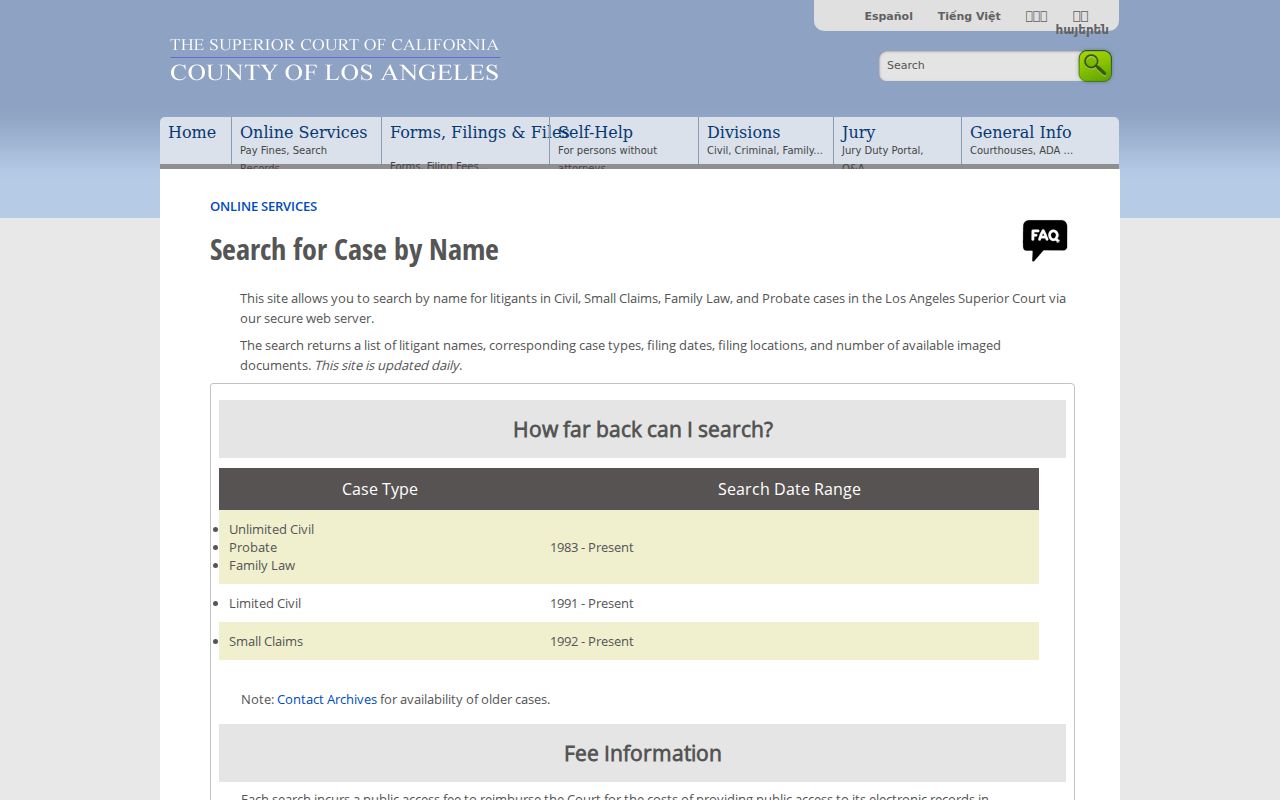
A result is an index lead, not proof of the claim or final outcome. Open the docket, which is the list of case filings and events, and check the actual record.
The criminal defendant search serving Lynwood is kept separate from civil parties.
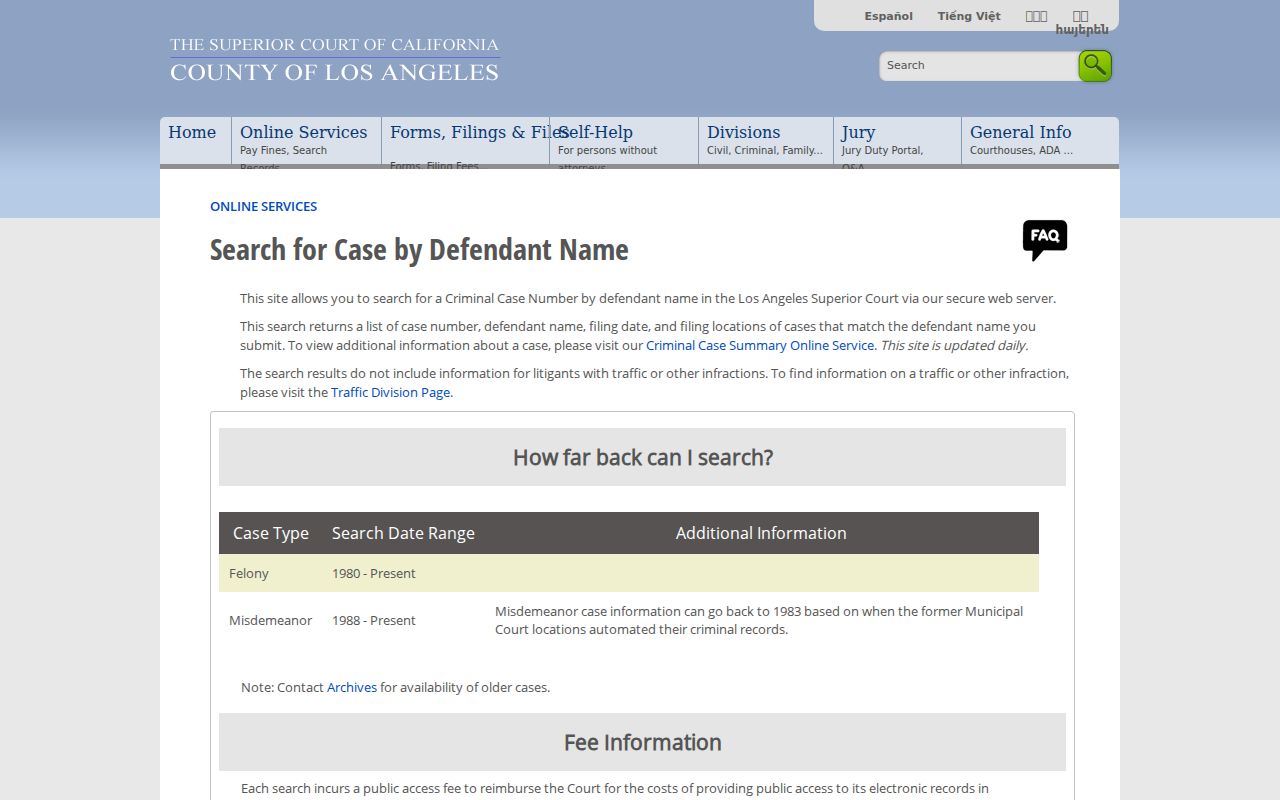
Sealed, juvenile, adoption, and other confidential matters will not become open simply because a name is searched.
Lynwood Vital Records Paths
Birth, death, marriage, and divorce records follow different paths. Los Angeles County issues copies for county events: births since 1866, deaths since 1877, and marriages licensed in the county since 1852. The California Department of Public Health also maintains statewide vital records. A divorce certificate is not the complete court file; Los Angeles Superior Court holds the family case and judgment records.
California Health and Safety Code section 103526 distinguishes authorized certified copies from informational certified copies. Authorized copies can establish identity and are limited to listed people and official roles. Informational copies are marked so they cannot establish identity. Confidential marriage certificates are available only to the spouses named or by court order. Historical indexes at libraries can help with genealogy, but an index entry does not grant access to a restricted certificate.
- Certified copy
- An official copy issued by the custodian, sometimes with eligibility and sworn-statement rules.
- Informational copy
- A certified record marked as not valid to establish identity.
- Vital index
- A finding list with basic event data, not the full certificate.
- Probate
- The court process for an estate, often naming heirs, representatives, and counsel in public filings.
The California vital-record forms hub identifies the state application used for each event and the sworn statement required for an authorized copy.
County processing may be faster for a Los Angeles County event. State fees changed in 2026, so confirm the current amount and eligibility with the issuing office before mailing an application.
Lynwood Business and License Search
Business and professional records can distinguish people who share a name. California Secretary of State business filings may show an entity name, status, number, filing history, agent, office addresses, and statements of information. Los Angeles County fictitious business name records cover local trade names. The regular county name search reaches back to April 2011, and newer open data begins in February 2024.
The California business search for Lynwood entity trails is a direct route to filed company records.
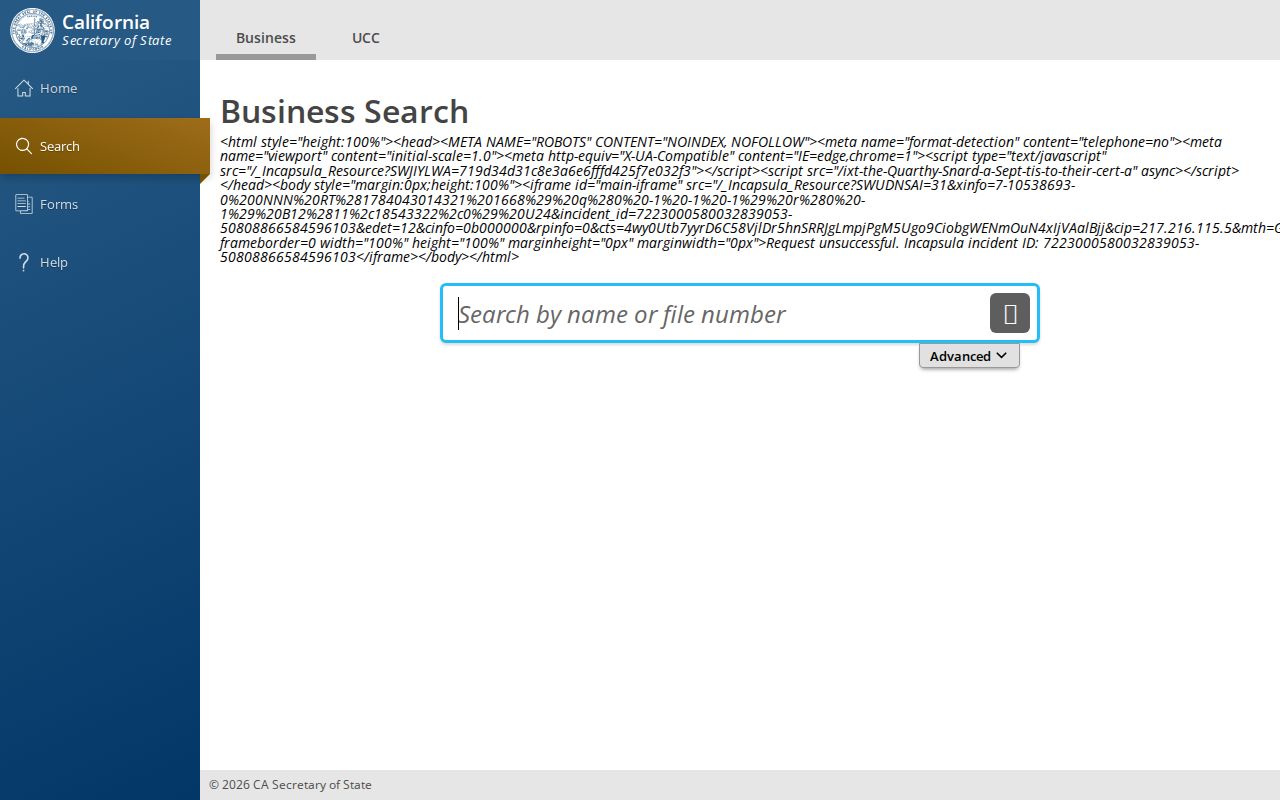
Check the filing date and entity number before tying an officer, agent, or address to the person sought.
For licensed occupations, the DCA advanced license search serving Lynwood accepts a first name, last name, license number, business name, registry number, or board.
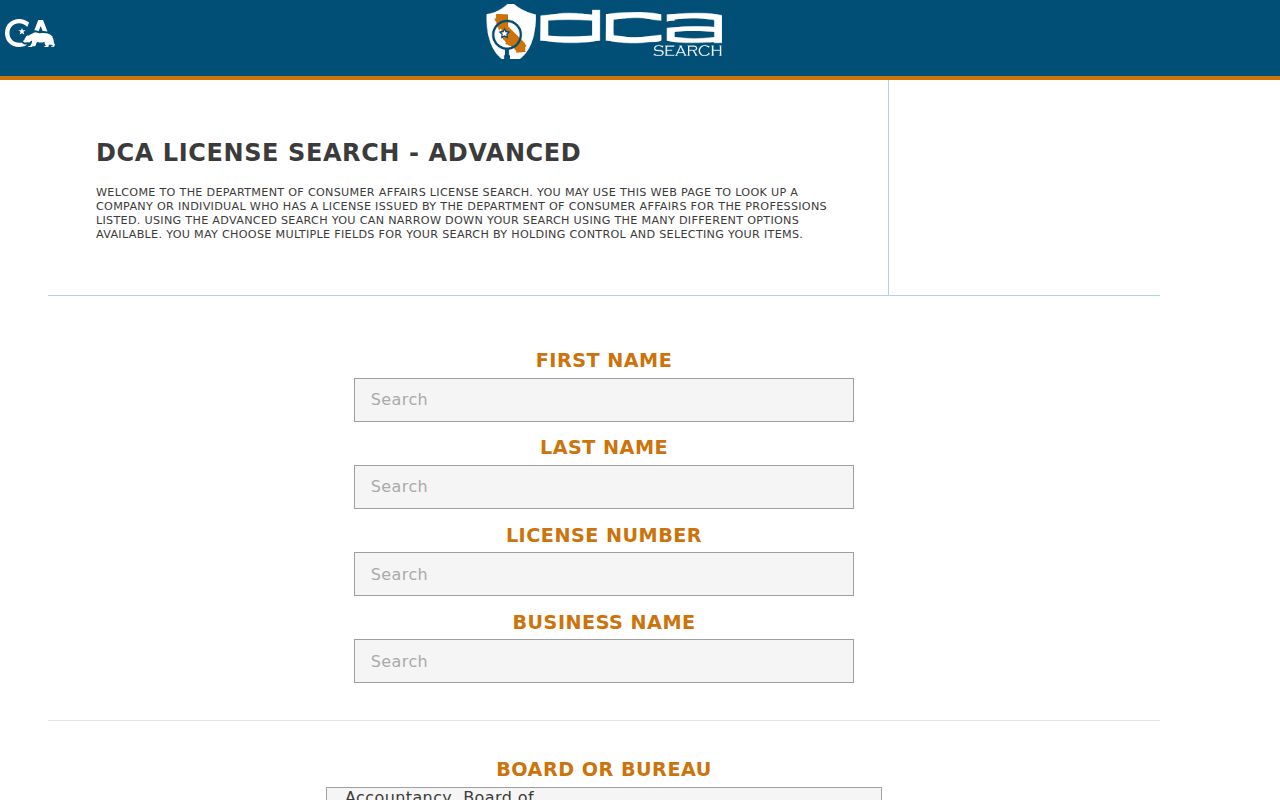
A public profile can show license type, status, issue and expiration dates, address-disclosure status, and public discipline indicators. These facts are stronger identifiers than a name alone.
| DCA field | Input | Use in a Lynwood search |
|---|---|---|
| First and last name | Text | Find an individual profile |
| License number | Number or code | Confirm an exact credential |
| Business name | Text | Connect a shop or practice |
| Board or bureau | Selection | Reduce unrelated matches |
Note: Not every local trade name appears in the state entity system, so county fictitious business name records remain a useful second check.
Lynwood Custody Record Lookups
Custody tools answer narrow questions. The Los Angeles County Sheriff's Department Inmate Locator is for current county jail information. CDCR's incarcerated-person search is for state prison custody. Neither is a complete criminal-history report, and a custody result should not be read as proof of a conviction. Court records provide the case trail when one is public.
The CDCR custody search for people connected with Lynwood supports a state-level check.
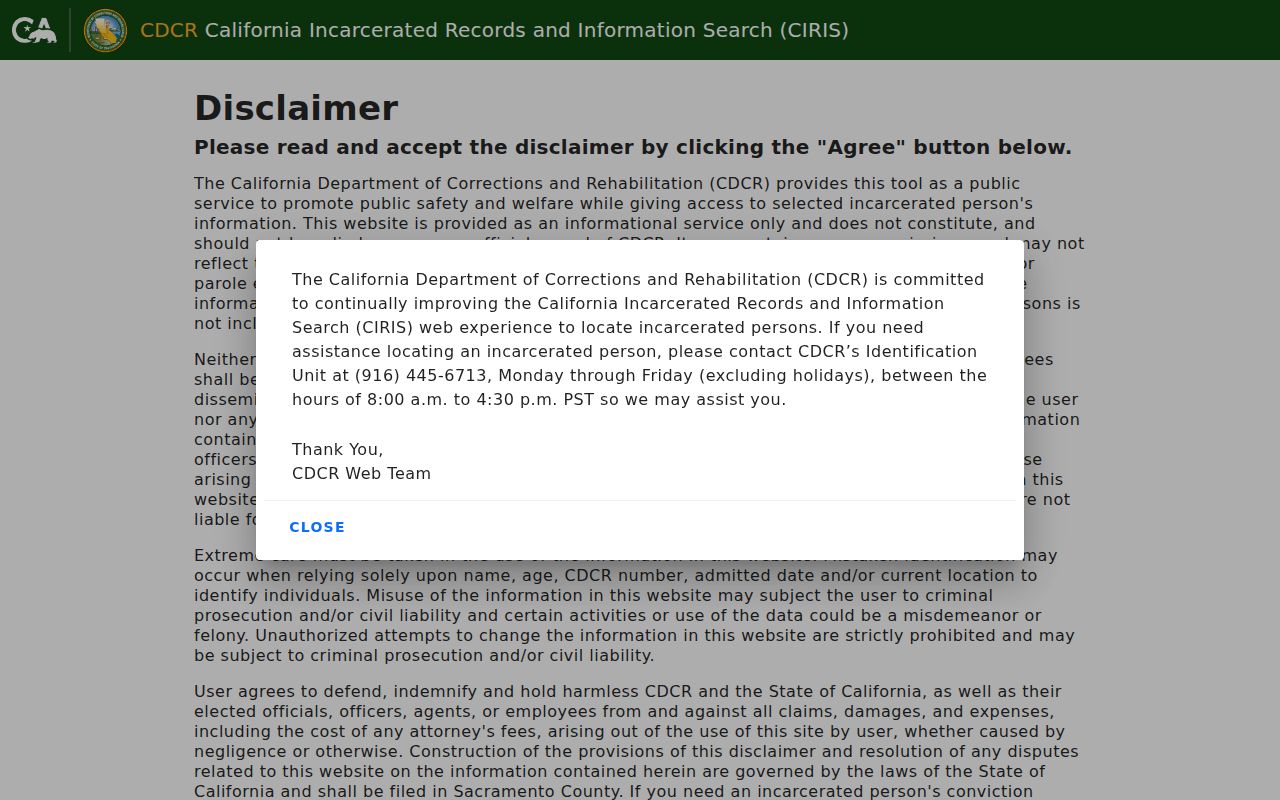
For a common name, CDCR's phone fallback may require a date of birth. County jail questions stay with LASD rather than this state system.
California's public registry displays only the registrant information that state law permits. Not every registered person is posted, and location detail varies by disclosure category. The official registry search relevant to Lynwood begins with a legal-use warning.
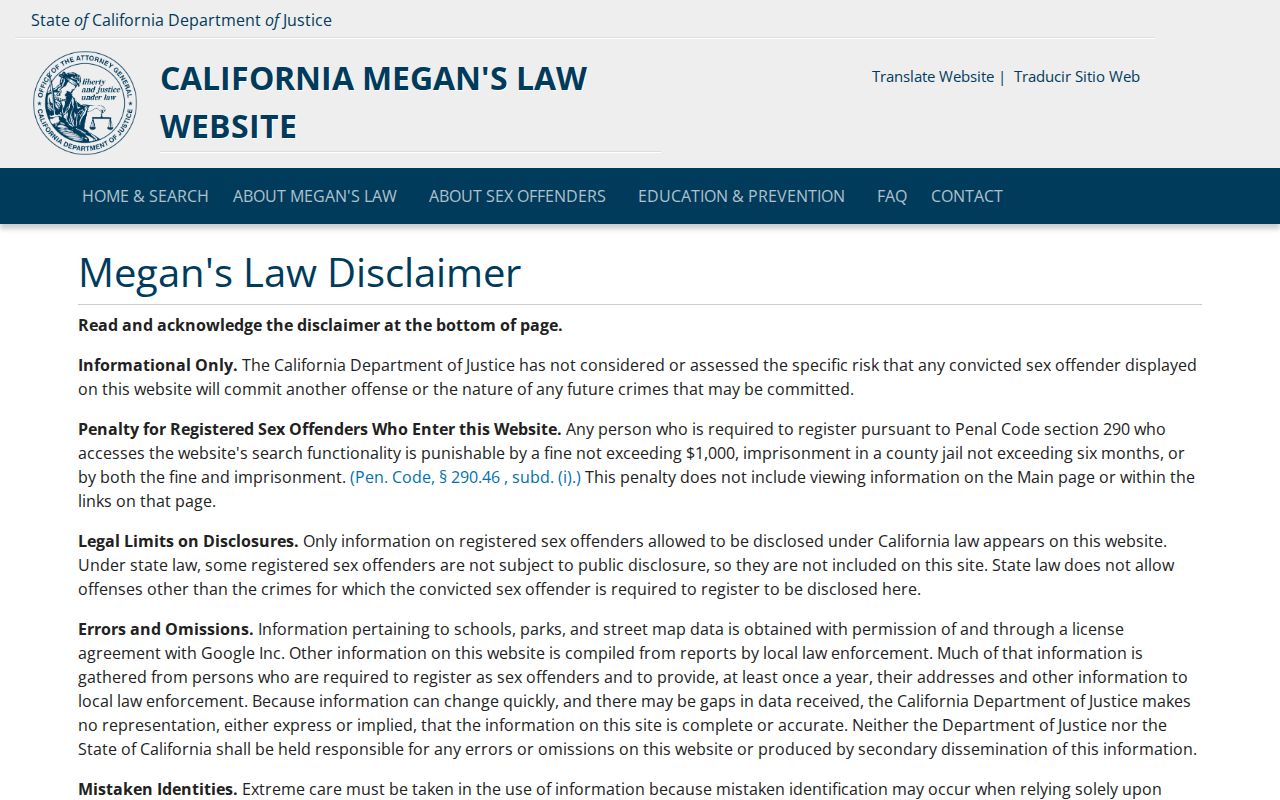
Use the registry only for its stated public-safety purpose. Misuse can carry penalties, and the absence of a public listing does not prove the absence of a record.
Lynwood Voter Records Limits
Voter registration is not a general people directory. A Lynwood voter can verify personal status through Los Angeles County by entering last name, birthdate, house number, and ZIP code. California's statewide tool serves the same voter-facing goal through VoteCal. Individual records and voter files have purpose, identity, security, and fee requirements.
Routine public access does not include a home street address, telephone number, email address, driver license or identification number, Social Security data, signature, registration number, or protected prior-registration information. Voting history can show that a person participated in an election, never the choices marked on a secret ballot. Safe at Home and other confidential voter programs remove protected records from ordinary releases.
Only people within authorized election, scholarly, journalistic, political, or governmental categories may obtain controlled files under the stated rules. The complete field and request breakdown is available in the Lynwood voter registration lookup.
Lynwood Historical Search at Norwalk
Online systems thin out as the years move back. The LA County Library Californiana Collection at Norwalk holds more than 24,000 books, over 200 newspaper and magazine titles in paper or microfilm, California census schedules from 1850 through 1910, city directories dating to the nineteenth century, and county and city histories. These sources can place a family, business, public official, or club in a neighborhood long before a current portal begins.
The LA County Library history and genealogy resources for Lynwood searches also include HeritageQuest and local-history databases.
The practical advantage is geographic. Norwalk Library and the Registrar-Recorder headquarters sit in the same county corridor. A researcher can review deed indexes by appointment, then use Californiana directories or newspapers to test names and addresses. The Lynwood Library branch remains the local gateway for a county library card and local-history help.
- Search a city directory by surname for an address and occupation.
- Use a reverse directory to begin with a street address.
- Check suburban newspaper backfiles for obituaries and community notices.
- Compare census schedules with deeds, probate files, and vital indexes.
- Ask for older county or neighboring-community labels when Lynwood yields no result.
Note: LA County Library offers three free obituary searches per month per patron when the death occurred in Los Angeles County.
Tracking Lynwood Family Connections
An heir or genealogy search works by linking events, not by trusting one profile. Start with a death index or obituary for a date and family names. Search probate by the decedent's name, then inspect public filings for a representative, heirs, counsel, or property. Recorded deeds and reconveyances may show how land moved before or after the death. Directories and newspapers can connect the same people to older addresses.
For a former classmate, school and newspaper sources may be more direct than a court or land record. Lynwood Unified School District contacts can route questions about records or transcripts, while yearbooks and community papers may survive at a library even when no searchable school archive exists. Birth-parent and adoption research follows a different path because California adoption and original birth records can be sealed and may require a court or statutory process.
Unclaimed property can offer another current name-and-address lead. The California claim search used for Lynwood names accepts a last or business name, with optional detail to narrow results.

The State Controller does not charge a fee to claim property transferred to the state, so paid recovery solicitations should be checked against the official result.
Lynwood Records Before Incorporation
Lynwood incorporated in 1921, but its people and land records began far earlier. The official city history traces the area through Rancho San Antonio and the Lugo landholdings, later transfers, Lynwood Dairy and Creamery, rail service, and the sale of suburban homesites. Early residents may therefore appear in county land books, Los Angeles-area directories, census schedules, rail or school material, and neighboring-community newspapers instead of City of Lynwood files.
The city name itself emerged through the dairy, Southern Pacific's Lynwood siding, and Pacific Electric use. Homesites were marketed in 1913, and a Pacific Electric depot later stood at Long Beach Boulevard and Fernwood Avenue. Search Compton, South Gate, Watts, Willowbrook, Los Angeles, and unincorporated county labels when a pre-1921 Lynwood search goes quiet. Those labels can reflect record geography rather than a different person.
- 1850: Los Angeles County begins as an original California county, with early court and land record roots.
- 1902: Lynwood Dairy and Creamery gives the developing area a lasting name.
- 1913: The Lynwood Company opens a large tract for suburban homesites.
- 1921: Lynwood incorporates, creating a clearer city-level record trail.
- 1980s onward: court name searches gradually gain online coverage by case type.
Lynwood Records Versus Data Brokers
Official records and commercial people-finder products are not the same. A government custodian can explain the source, filing date, coverage, copy status, and correction process for its own record. Commercial services combine public filings with marketing, phone, address, and brokered data. Their profiles may be quick to scan, but they can merge people, miss updates, or repeat old addresses without showing a sound source trail.
| Question | Official Lynwood record | Commercial profile |
|---|---|---|
| Who created it? | Named city, county, court, or state custodian | Private compiler |
| What does it prove? | A specific filed or maintained event | A compiled lead that still needs proof |
| How is it checked? | File number, date, copy, or office confirmation | Return to the original source |
| How current is it? | Depends on the keeper's stated update cycle | May lag or blend old data |
Use a commercial result, if encountered, only as an unverified lead. A Lynwood address should be tested against the assessor and permit systems. A court claim should be checked in the docket. A license should be confirmed with its board. A deed should be verified through the recorder.
Lynwood Privacy and Safe Searching
California law limits several records that people often assume are open. Safe at Home gives eligible survivors and other protected participants a substitute mailing address that state and local agencies generally must accept. Courts withhold sealed, juvenile, adoption, and confidential matters. Vital records limit authorized copies. Voter files exclude protected fields and confidential registrations. The recorder's decision not to post its name index online is another local example of privacy shaping access.
California residents also have privacy rights involving covered businesses and registered data brokers. The state's DROP system began accepting one deletion request for active registered brokers in 2026, with broker processing scheduled to start later that year. That process concerns private broker data, not the erasure of lawful court, deed, vital, or other government records.
The California data-broker registry and DROP information provide the official privacy route. For any people search, collect only what serves a lawful personal purpose, protect sensitive facts, and stop if the work could invade a protected person's safety. Confirm key findings with the office that keeps the record.
Note: A public index may omit protected data, while access to a certified copy can require separate identity, relationship, and sworn-statement proof.